
Every school year begins with a familiar routine. Parents help pack lunches, double-check backpacks, sign permission slips, and remind their children not to forget their homework. Mornings become a little busier, calendars become a little fuller, and families settle back into a rhythm that feels both familiar and new.
For many parents, back-to-school season is about giving their children every opportunity to succeed. We encourage them to work hard, be responsible, treat others with kindness, and make thoughtful decisions. We celebrate good grades, perseverance, and curiosity because we know these lessons extend far beyond the classroom.
But some of the most important lessons children ever learn aren’t found in a textbook.
They aren’t taught during math class or written on a chalkboard. Instead, they’re learned quietly at home through observation. Children pay attention to how their parents handle challenges, solve problems, communicate with family members, and prepare for the future. Long before they fully understand adulthood, they’re already developing ideas about responsibility by watching the people they trust most.
It’s a powerful reminder that the greatest teacher in a child’s life is often an example—not an explanation.
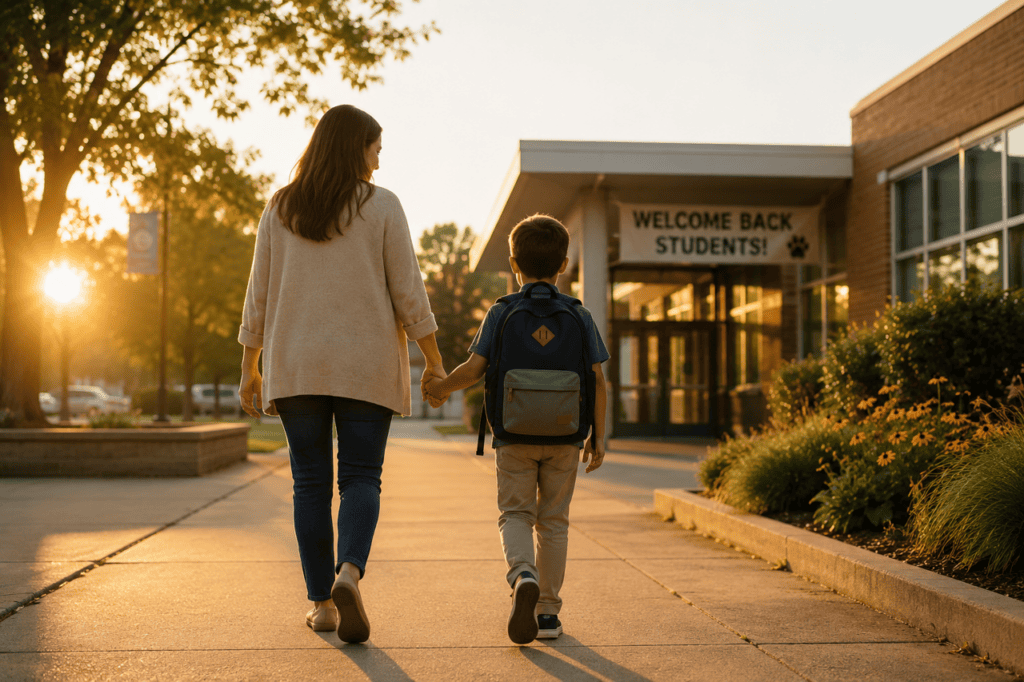
Children Learn More From What We Do Than What We Say
In the 1960s, psychologist Albert Bandura conducted one of the most influential studies in developmental psychology. Known as the Bobo Doll Experiment, the research demonstrated that children don’t simply learn through direct instruction—they learn by observing the behavior of others. When children watched adults behave aggressively toward a toy, they were significantly more likely to imitate that same behavior themselves.
While the experiment focused on aggression, its implications extended much further. It fundamentally changed how psychologists understood learning. Today, Bandura’s Social Learning Theory remains one of the cornerstones of developmental psychology, emphasizing that observation, imitation, and modeling shape much of what children become.
Think about how often this happens in everyday life.
Children learn table manners because they watch their parents eat dinner. They learn how to treat neighbors by watching everyday interactions. They begin forming opinions about money, work, generosity, responsibility, and even conflict resolution long before anyone formally teaches those subjects.
Researchers have found that children begin observing and imitating adult behaviors from an incredibly young age. Even toddlers carefully watch facial expressions, routines, and emotional responses to understand how they’re expected to behave. As they grow older, those observations become deeply rooted habits that often continue into adulthood.
In other words, children don’t simply hear our values.
They see them.
The Legacy We Leave Begins Long Before We’re Gone
When most people hear the word legacy, they immediately think about money, property, or inheritances.
But legacy begins much earlier than that.
Every family passes down traditions, beliefs, habits, and values that have nothing to do with financial assets. Some families pass down the tradition of gathering around the dinner table every evening. Others teach the importance of volunteering, helping neighbors, or celebrating holidays together. Still others pass down entrepreneurial spirit, resilience, or an appreciation for education.
These forms of inheritance rarely appear in legal documents, yet they often become some of the most meaningful gifts we leave behind.
Researchers who study family systems have found that children benefit from understanding their family’s story. Studies from Emory University found that children who know more about their family’s history often demonstrate greater emotional resilience and stronger self-esteem. Understanding where they come from helps children develop a stronger sense of identity and belonging, particularly during periods of uncertainty.
Family stories matter because they communicate values.
A grandparent’s work ethic.
A parent’s sacrifice.
A family tradition that has continued for generations.
These stories quietly answer questions every child eventually asks: Who are we? What do we believe? What matters most?
Estate planning fits naturally into that conversation because it reflects those same values. It isn’t simply a collection of legal documents. It’s another way of communicating care, responsibility, and intentionality to the people we love.
Children Notice the Conversations We Avoid
Parents often work hard to shield children from difficult topics. Conversations about illness, aging, finances, or death can feel uncomfortable, leading many families to avoid them altogether.
While those instincts are understandable, avoiding these conversations can unintentionally teach another lesson—that these subjects are too frightening or uncomfortable to discuss.
Communication researchers have long noted that children often sense when adults are avoiding important topics. Even when parents believe they’re protecting their children, silence can create confusion, uncertainty, or unnecessary anxiety.
This doesn’t mean young children need to hear every detail about legal or financial planning. Age-appropriate conversations are always important. However, as children mature into teenagers and eventually adults, including them in broader family discussions about responsibility and future planning can help normalize topics they’ll one day face themselves.
After all, one day they may become caregivers.
They may need to help aging parents.
They may one day create estate plans of their own.
Teaching them that preparation is a normal part of adulthood helps replace uncertainty with confidence.
Responsibility Is Contagious
Behavioral scientists often describe habits as socially contagious. When one person consistently demonstrates healthy behaviors, those behaviors frequently influence the people around them. This phenomenon has been observed in areas ranging from exercise and financial habits to volunteerism and charitable giving.
Preparation works much the same way.
Children who grow up watching parents keep important documents organized, make thoughtful financial decisions, prepare for emergencies, and communicate openly about important responsibilities often carry those habits into adulthood. They begin viewing planning not as something driven by fear, but as a normal expression of responsibility.
Estate planning reflects exactly that mindset.
Creating a trust, updating beneficiaries, choosing healthcare decision-makers, or reviewing powers of attorney isn’t about expecting something bad to happen tomorrow. It’s about recognizing that thoughtful preparation today can make tomorrow significantly easier for the people you care about most.
Just as children learn that wearing a seatbelt, saving money, or attending regular medical checkups are responsible habits, they also learn that preparing for the future is simply another part of caring for the people around them.

One Final Lesson Worth Teaching
Perhaps the greatest lesson parents ever teach is that love isn’t measured only by what we say.
It’s measured by what we do.
It’s found in the lunches packed before sunrise, the rides to school, the late-night homework help, the encouragement after disappointment, and the countless small decisions made every day to create a better future for the next generation.
Estate planning belongs on that list.
It may not be a conversation children fully appreciate today, but one day they will understand what it represented. It was another act of love. Another decision made with their future in mind. Another example of responsibility modeled not through words, but through action.
As we shared in our previous article, “The Family Vacation Photos You’ll Treasure 20 Years From Now,” some of the most meaningful things we leave behind aren’t measured in dollars. They’re found in the memories we preserve, the stories we share, and the moments that remind future generations where they came from. Estate planning complements that legacy by helping ensure the values, intentions, and care you’ve demonstrated throughout your life continue to guide your family long after you’re gone.
Back-to-school season reminds us that education never truly ends. While schools help shape our children’s minds, families help shape their character. Every thoughtful decision we make today becomes part of the example they carry into tomorrow.
Continue the Lesson
One of the greatest gifts you can give your family is clarity. Estate planning allows you to make important decisions while you have the opportunity, reducing uncertainty and helping your loved ones navigate the future with confidence.
If you’d like to learn more, we invite you to attend one of our free estate planning workshops. You’ll gain a practical understanding of trusts, wills, powers of attorney, healthcare directives, and other essential planning tools in a welcoming, educational environment designed to help you make informed decisions for yourself and your family. Register today at Estateplanningworkshop.org
Frequently Asked Questions
Why is leading by example important when teaching children?
Research in developmental psychology shows that children learn extensively through observation. The habits, values, and behaviors they witness at home often have a lasting influence on how they approach relationships, responsibility, and decision-making as adults.
How does estate planning relate to the values we teach our children?
Estate planning demonstrates responsibility, preparation, and care for others. It shows that protecting loved ones involves thoughtful planning, open communication, and making important decisions before they’re urgently needed.
Should I talk to my children about my estate plan?
The answer depends on their age and maturity. Younger children don’t need detailed legal information, but older children and adult children often benefit from understanding your wishes, knowing where important documents are kept, and having age-appropriate conversations about future planning.
What is the most important lesson an estate plan teaches?
Beyond legal protection, an estate plan reflects intentionality. It communicates that you’ve taken the time to consider your family’s future and have made thoughtful decisions to help protect the people you care about most.
What’s the best first step if I haven’t started estate planning?
Education is the best place to begin. Attending a free estate planning workshop can help you understand your options, ask questions, and learn how to create a plan that reflects your family’s unique goals and values.